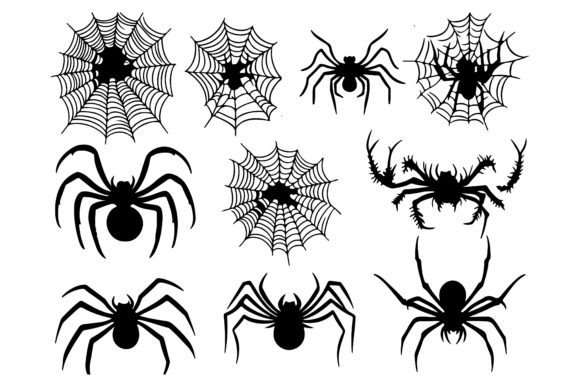
Mastering Spider Web Vector and Cobweb Decoration for Professional Design Workflows
In the realm of digital design, seasonal themes require more than just a quick search for an image. They demand assets that are scalable, editable, and versatile enough to fit into complex brand guidelines or intricate creative projects. This is where Spider Web Vector and high-quality Cobweb Decoration assets become essential tools for professionals. Unlike raster images that lose quality when resized, vector formats provide the flexibility needed for everything from social media graphics to large-scale print campaigns. For designers, marketers, and small business owners, understanding how to integrate these elements into a structured workflow can significantly reduce production time while elevating the overall quality of the final output.
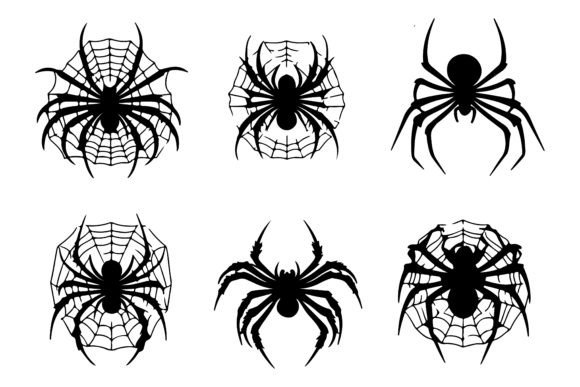
The utility of a spider web vector extends far beyond simple Halloween clipart. It serves as a foundational element in visual storytelling, capable of setting a mood, framing content, or creating atmospheric backgrounds. Whether you are designing a haunted house decor catalog, a spooky event invitation, or a horror-themed website overlay, the choice between a detailed cobweb illustration and a minimalist silhouette can dictate the tone of the entire project. By treating these assets as functional components of a broader design system rather than mere decorations, creators can ensure consistency across all touchpoints.
Integrating Vector Assets into the Pre-Production Phase
Effective use of Halloween spider web assets begins long before the actual design work commences. The pre-production phase involves planning, asset gathering, and defining the scope of the project. During this stage, identifying the right vector Halloween elements is critical for maintaining efficiency later on. Professionals should curate a library of spider web clipart that covers various styles: from realistic, tangled webs to stylized, geometric patterns. This preparation prevents the common pitfall of searching for specific assets during the crunch time of a deadline.
When organizing your resources, consider the technical requirements of your upcoming projects. A spider web SVG file offers distinct advantages for web development, ensuring crisp edges on any screen resolution. Conversely, if the goal is print production, such as a haunted house decor poster or packaging, ensuring the files are in a compatible vector format like EPS or AI is necessary for high-resolution output. Evaluating compatibility early ensures that the cobweb graphic will not cause rendering issues or color shifts when moved between different software platforms.
Furthermore, this phase is the ideal time to establish a style guide. If a brand is launching a seasonal campaign, deciding on a specific aesthetic—such as using only cobweb silhouettes in black and white or opting for textured, dusty-looking spooky web designs—creates a cohesive visual language. This decision-making process streamlines the execution phase, allowing team members to work with a clear set of parameters. It transforms the selection of a scary cobweb vector from a random choice into a strategic brand decision.
Execution Strategies: From Concept to Final Output
Once the planning phase is complete, the execution of the design relies heavily on the versatility of the chosen assets. A well-curated spider web design pack allows designers to manipulate elements dynamically. For instance, a single cobweb corner decoration can be rotated, scaled, and layered to create a frame that guides the viewer's eye toward key information. This technique is particularly effective in web border design, where the goal is to contain content without overwhelming it.
In digital marketing workflows, spider web overlay elements are frequently used to add depth and texture to flat images. By adjusting the opacity and blend modes of a creepy spider web layer, designers can simulate age, dust, or shadow, adding a layer of realism to promotional materials. This is especially useful for horror web decoration on websites, where the atmosphere needs to be immersive. The ability to edit anchor points in a vector file means that a generic web can be stretched or compressed to fit irregular shapes, such as around product photography or within custom typography.
For physical applications, such as event planning or retail displays, the transition from digital to physical requires careful consideration. Haunted house spiderweb props often start as digital mockups. Using vector spooky elements allows planners to visualize how a spider web pattern will look when printed on translucent fabric or cut from foam board. The precision of vector data ensures that the dimensions remain accurate, reducing material waste and ensuring that the scary web decoration fits perfectly within the designated space. This level of control is vital for entrepreneurs managing tight budgets and strict timelines.
Workflow Optimization and Tool Integration
To maximize efficiency, these assets must interact seamlessly with other tools in the creator's toolkit. Most professional design software, including Adobe Illustrator, Inkscape, and Figma, supports vector formats natively. However, the workflow becomes smoother when assets are pre-organized into logical groups. For example, keeping spider web art separate from spider illustrations allows for quicker retrieval during the assembly of a layout. Additionally, utilizing smart objects or linked libraries ensures that if a cobweb PNG or vector source file is updated, all instances in the document reflect the change automatically.
Collaboration also benefits from standardized asset management. When working with a team, sharing a centralized folder containing a Halloween vector set ensures everyone is using the same version of the spooky web elements. This prevents version control issues where one designer uses a low-resolution image while another uses a high-quality vector. Establishing a naming convention, such as "Web_Corner_01_Vector" or "Web_Background_Textured," further enhances organization and speeds up the search process within large project directories.
Quality Control and Long-Term Asset Management
After the initial creation and deployment, the focus shifts to quality control and long-term usability. A spider web vector is an investment; its value lies in its reusability. Designers should audit their asset libraries periodically to remove low-quality files and archive successful designs. Keeping a collection of proven cobweb elements ready for future seasons reduces the need to recreate work from scratch. This practice aligns with the principles of efficient resource management, saving both time and licensing costs.
Consistency is another key factor in long-term success. If a specific style of cobweb decoration resonates with an audience, maintaining that aesthetic across multiple years builds brand recognition. However, this does not mean using the exact same image repeatedly. Instead, leveraging the modularity of vector graphics allows for variations. A base spider web frame can be modified by changing line weights, adding texture overlays, or altering the density of the strands to keep the design fresh while retaining its core identity.
Finally, considering the technical longevity of the files is crucial. While current software may handle spider web SVG files perfectly, ensuring they are saved in widely supported formats guarantees accessibility in the future. Avoiding proprietary effects that might not render correctly in other programs helps maintain the integrity of the spooky house vector assets. By prioritizing clean, editable code and organized layers, creators ensure that their Halloween graphic resources remain viable tools for years to come.
Practical Implementation Tips for Diverse Use Cases
Different industries apply these assets in unique ways, requiring tailored approaches to implementation. For educators creating classroom materials, a simple spider web pattern can serve as a worksheet background that engages students without distracting from the text. In this context, simplicity and clarity are paramount. Marketers, on the other hand, might utilize a complex creepy cobweb PNG to create urgency or intrigue in email headers and landing pages, where visual impact drives conversion rates.
Freelancers and publishers often face the challenge of delivering diverse outputs simultaneously. A robust spider web design pack enables them to quickly adapt a single concept into various formats: a blog post header, a social media banner, and a printable flyer. The scalability of vector graphics means the same vector spooky web can be shrunk for a favicon or enlarged for a billboard without pixelation. This adaptability is a significant competitive advantage, allowing for rapid turnaround times on client requests.
Small business owners hosting events can leverage these assets for DIY decor. By downloading a haunted web decor template and printing it on cardstock, they can create cost-effective signage and table runners. The precision of the vector lines ensures clean cuts, whether using a home printer or a professional plotter. This democratization of high-quality design tools empowers non-designers to achieve professional results, bridging the gap between conceptual ideas and physical reality.
Ultimately, the integration of Spider Web Vector and Cobweb Decoration into a professional workflow is about more than just finding a scary image. It is about understanding the mechanics of vector graphics, planning for scalability, and organizing resources for maximum efficiency. By approaching these assets with a strategic mindset, creators can enhance their productivity, maintain high standards of quality, and deliver compelling visual experiences that resonate with their target audience. Whether for a fleeting seasonal campaign or a permanent brand element, the thoughtful application of these design tools yields measurable results in both creativity and operational effectiveness.