Mastering the Transport Landing Page PSD Figma Workflow for Professional Web Design
In the rapidly evolving landscape of digital presence, the intersection of logistics, mobility, and professional service delivery requires a visual identity that is both robust and adaptable. The Transport Landing Page PSD Figma has emerged as a critical resource for designers and developers seeking to streamline their workflow while delivering high-impact results. This design asset is not merely a static template; it represents a comprehensive ecosystem of predefined web elements that empower creators to build sophisticated sites from the ground up. Whether you are launching a fleet management startup or rebranding an established logistics firm, understanding how to leverage these tools can significantly reduce development time and enhance user engagement.
The Evolution of Design Assets in the Logistics Sector
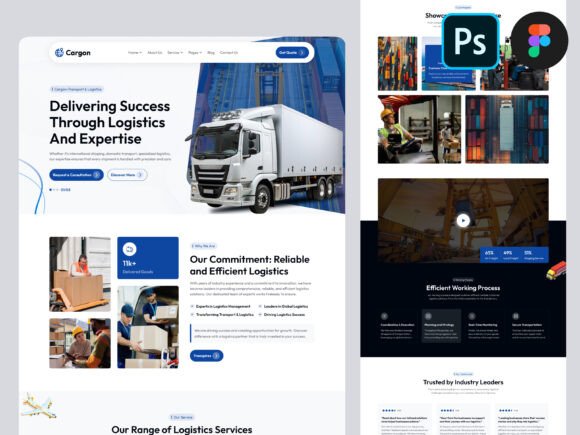
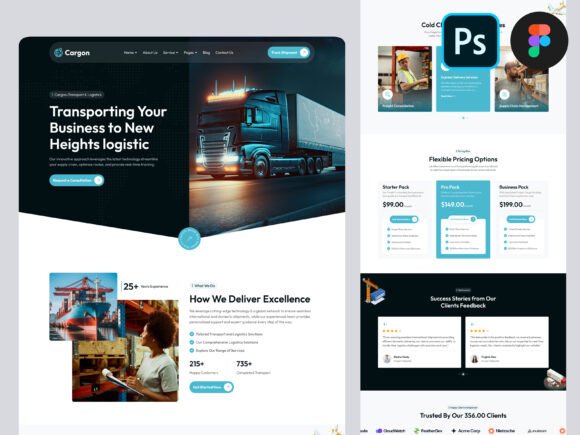
The transportation industry has historically struggled with outdated digital representations that fail to capture the dynamism of modern supply chains. Traditional website designs often lacked the responsiveness required for mobile-first users who track shipments or book services on the go. The introduction of the Transport Landing Page PSD Figma addresses this gap by offering a modern UI and unique design tailored specifically for the sector's needs. Unlike generic templates, this resource incorporates industry-specific aesthetics that resonate with consumers and B2B clients alike.
Designers today face the challenge of balancing aesthetic appeal with functional utility. A landing page must load quickly, display information clearly across various devices, and guide the user toward a specific action, such as requesting a quote or viewing a service list. The Transport Landing Page PSD Figma solves these challenges by providing a foundation built on best practices of web development. By utilizing a structure based on Bootstrap or Grid 1170px, the template ensures that layouts remain consistent and scalable, regardless of the screen size. This structural integrity is essential for maintaining brand credibility in a competitive market.
Bridging the Gap Between Design and Development
One of the most significant advantages of using a dual-format file system—offering both Figma and PSD files—is the seamless transition between design conceptualization and code implementation. For teams that rely on Adobe Photoshop, the PSD file provides full access to layers, groups, and vector assets, allowing for deep customization without losing fidelity. Simultaneously, the Figma file caters to collaborative workflows, enabling real-time feedback and iteration among stakeholders.
This dual availability ensures that no team member is left behind due to software preferences. The Transport Landing Page PSD Figma includes well-organized layers where every element has been named and grouped properly. This level of organization is often overlooked in free templates but is crucial for efficient editing. When a developer needs to isolate a specific icon or adjust a typography style, they can do so immediately without navigating through a chaotic layer stack. This efficiency translates directly into faster project turnaround times and lower costs for businesses.
Versatility Across Professional Service Industries
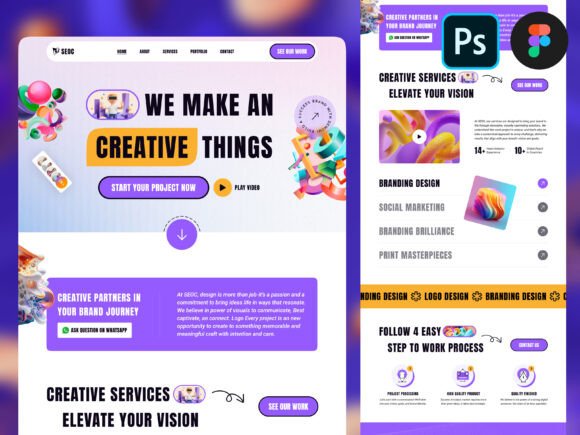
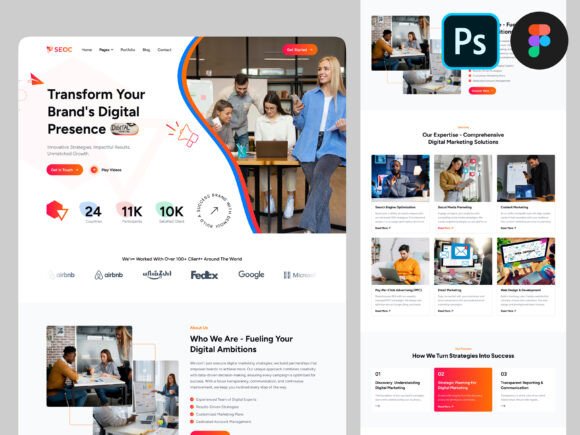
While the primary focus of the Transport Landing Page PSD Figma is the transportation sector, its underlying architecture offers remarkable versatility. The clean lines, modular components, and neutral color palettes make it an excellent starting point for a wide array of business consulting services. The template's flexibility allows it to be repurposed for industries that share similar communication goals: establishing trust, showcasing expertise, and facilitating contact.
Consider the diverse range of professionals who could benefit from this layout. A business consultant might use the service grid sections to highlight their strategic frameworks, while a lawyer could adapt the testimonial areas to display case success stories. Similarly, advertising consulting firms can utilize the creative vector illustrations to showcase their portfolio, and financial advisors can leverage the data-driven chart placeholders to present investment growth.
The adaptability extends further into personal development and health sectors. A life coach or wellness coach can transform the transport-themed imagery into calming, nature-inspired graphics that align with their brand message. Even insurance brokers and investment consultants find value in the structured layout, which helps them organize complex information into digestible chunks for their clients. The key lies in the "highly customizable" nature of the template, which encourages users to think beyond the original theme and apply the design principles to their unique context.
Adapting Predefined Elements for Specific Niches
The power of the Transport Landing Page PSD Figma lies in its library of predefined web elements. These components include navigation bars, hero sections, call-to-action buttons, and footer layouts that are ready to be modified. For a wellness coach, the "fleet tracking" section can be easily renamed to "Client Progress Tracker," retaining the same interactive feel but changing the semantic meaning. This approach saves hours of coding and design work, allowing professionals to focus on content strategy rather than pixel manipulation.
Furthermore, the inclusion of amazing vector illustrations and icons provides a rich visual vocabulary. These assets are fully vector customizable, meaning they can be resized, recolored, and reshaped without any loss of quality. This is particularly important for brands that require strict adherence to corporate identity guidelines. Whether you are designing for a local moving company or a global investment firm, the ability to tweak these elements ensures that the final product feels bespoke rather than templated.
Technical Excellence and Responsive Architecture
In an era where mobile traffic often surpasses desktop usage, responsive design is not optional—it is mandatory. The Transport Landing Page PSD Figma excels in this area by ensuring that the layout looks awesome on tablets and mobile devices. The template is built upon a solid technical foundation, utilizing a Full width 1600px canvas that accommodates high-resolution displays while scaling down gracefully for smaller screens.
The reliance on the Bootstrap Grid System or Grid 1170px provides a predictable framework for alignment and spacing. This grid-based approach ensures that content remains readable and accessible, regardless of the device used to view it. For developers, this means less time spent debugging layout issues and more time optimizing performance. The template adheres to modern standards, incorporating semantic HTML structures and CSS best practices that contribute to better search engine rankings.
Optimizing for Performance and User Experience
Performance is a critical factor in user experience (UX). Slow-loading pages lead to higher bounce rates and lower conversion rates. The Transport Landing Page PSD Figma addresses this by encouraging a minimal modern design philosophy. By avoiding unnecessary bloat and focusing on essential elements, the template promotes faster load times. Additionally, the use of FREE fonts from Google Fonts ensures that typography loads efficiently without requiring custom font hosting solutions.
User experience also depends on intuitive navigation and clear calls to action. The template features easy-to-find artboards, folders, layers, and components, which translate into a user-friendly interface for the end consumer. Visitors can quickly locate the information they need, whether it is pricing details, service descriptions, or contact forms. This clarity is essential for converting casual browsers into paying clients, especially in competitive fields like financial advising or legal services.
Streamlining the Creative Workflow with Modern Tools
The creative process involves multiple stages, from initial concept to final deployment. The Transport Landing Page PSD Figma streamlines this workflow by providing a unified environment for collaboration. With 01 Unique Artboards included in the package, designers have a dedicated space to experiment with different layouts and color schemes without affecting the main design. This isolation allows for safe experimentation and rapid prototyping.
The integration of Figma Styles and Components further enhances this workflow. Designers can create global styles for colors, text, and effects, ensuring consistency across the entire site. If a client decides to change the primary brand color, the update can be applied globally with a single click, rather than manually adjusting each element. This feature is invaluable for agencies managing multiple projects or for freelancers working with demanding clients who require frequent revisions.
Collaboration and Feedback Loops
Modern web development is a team effort. The Transport Landing Page PSD Figma facilitates collaboration by allowing multiple team members to work on the same file simultaneously. Stakeholders can leave comments directly on the design, pointing out specific areas for improvement. This direct feedback loop reduces miscommunication and ensures that the final product aligns with the client's vision. For businesses offering business consulting or advertising consulting, this level of transparency builds trust and demonstrates professionalism.
Moreover, the ease of finding artboards and components means that new team members can onboard quickly. There is no steep learning curve associated with understanding the file structure. Everything is labeled logically, making it easy to navigate even for those who are not familiar with the specific project. This accessibility fosters a more inclusive and efficient working environment, where creativity can flourish without technical barriers.
Strategic Implementation for Long-Term Success
Implementing a design template is just the first step. To achieve long-term success, businesses must consider how the design supports their broader strategic goals. The Transport Landing Page PSD Figma serves as a versatile tool that can evolve alongside the business. As services expand or branding changes, the customizable nature of the template allows for easy updates without the need for a complete redesign.
For example, a life coach might start with a simple landing page focused on one-on-one sessions. As their business grows, they can add sections for group workshops, online courses, or retreats. The modular design of the template makes these additions straightforward. Similarly, an investment consultant can introduce new financial products or market analysis reports by simply duplicating and modifying existing content blocks.
Future-Proofing Your Digital Presence
The digital landscape is constantly shifting, with new technologies and trends emerging regularly. By choosing a template that is based on current best practices, such as the Transport Landing Page PSD Figma, businesses future-proof their digital presence. The use of standard grids, responsive layouts, and vector graphics ensures compatibility with future web standards and devices.
Additionally, the emphasis on SEO-friendly structure helps businesses maintain visibility in search engine results. Clean code, proper heading hierarchy, and optimized images contribute to better indexing. For professionals in competitive fields like insurance brokering or legal services, maintaining a strong online presence is vital for attracting new clients. The template provides the necessary foundation to build a site that is not only visually appealing but also technically sound.
Conclusion on Design Efficiency and Impact
The Transport Landing Page PSD Figma represents a significant advancement in web design resources. It combines aesthetic appeal with technical precision, offering a solution that meets the needs of diverse industries. From transportation logistics to professional consulting, the template's flexibility and customization options make it a valuable asset for anyone looking to establish a strong online presence. By leveraging its modern UI, responsive architecture, and organized file structure, businesses can create websites that are both beautiful and functional, driving engagement and growth in an increasingly digital world.