SaaS - AI-Based Email Marketing Software: The New Standard for Professional Communication
The landscape of digital communication has shifted dramatically in recent years. What once required manual segmentation, tedious A/B testing, and hours of copywriting is now being handled with remarkable efficiency by artificial intelligence. SaaS - AI-Based Email Marketing Software has emerged not merely as a convenience but as a critical infrastructure for businesses that rely on direct engagement. For professionals ranging from freelance creators to established corporate entities, the ability to deliver personalized content at scale is no longer a luxury; it is an expectation set by modern consumers.
This evolution is particularly visible in service-oriented industries where trust and personal connection are paramount. Whether you are a financial advisor managing a portfolio of clients, a life coach guiding individuals through personal transformation, or an advertising consultant pitching strategies to new prospects, the way you communicate defines your brand. AI-driven platforms analyze user behavior, predict optimal send times, and craft subject lines that resonate, ensuring that every message lands effectively. However, the technology behind these tools is only half the story. The other half lies in how these services present themselves to the world through their digital presence.
Bridging Technology and Professional Services
The relevance of SaaS - AI-Based Email Marketing Software extends far beyond generic e-commerce stores. It has become a vital tool for specialized business consulting services. Consider the workflow of a lawyer or an insurance broker. These professionals deal with sensitive information and high-stakes decisions. Their email communications must be precise, timely, and tailored to the specific needs of each client. AI software helps automate routine updates while maintaining a tone that feels human and attentive. It can segment a list of clients based on their policy types or case stages, sending relevant legal updates or renewal reminders without the risk of human error.
Similarly, wellness coaches and investment consultants operate in markets where personalization drives results. An investment strategy that works for one client may not suit another. AI marketing tools allow these experts to nurture leads with educational content that matches the recipient's financial literacy and goals. This level of granularity was previously impossible without a massive team of marketers. Now, a solo practitioner or a small firm can compete with larger institutions by leveraging intelligent automation.
As these professionals adopt advanced software, they also face the challenge of showcasing their expertise online. A powerful email platform means nothing if the landing page introducing it fails to convert visitors. This is where the intersection of functional software and compelling design becomes crucial. The demand for high-quality digital assets that reflect the sophistication of AI tools has led to the creation of specialized templates designed specifically for this niche.
The Role of Design in Modern SaaS Adoption
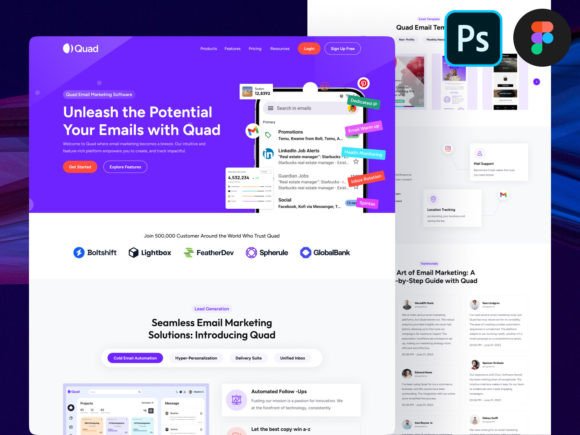
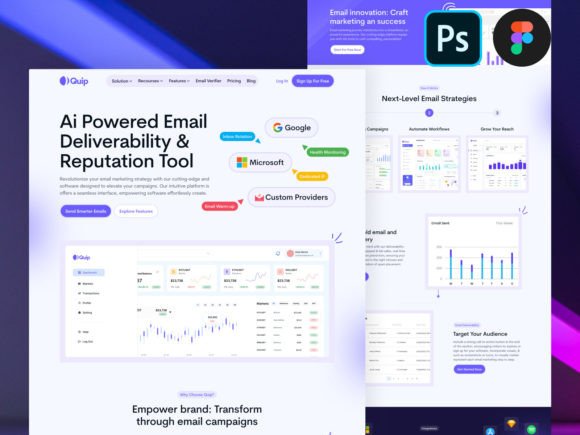
In the current market, users expect a seamless experience across all devices. They might read an email on a mobile device during their commute and then visit the website on a tablet or desktop to learn more. If the transition is jarring or the design looks outdated, trust is lost immediately. This reality has driven the development of modern UI templates that prioritize responsiveness and aesthetic appeal. A template designed for SaaS - AI-Based Email Marketing Software landing pages must do more than look good; it must communicate reliability and innovation instantly.
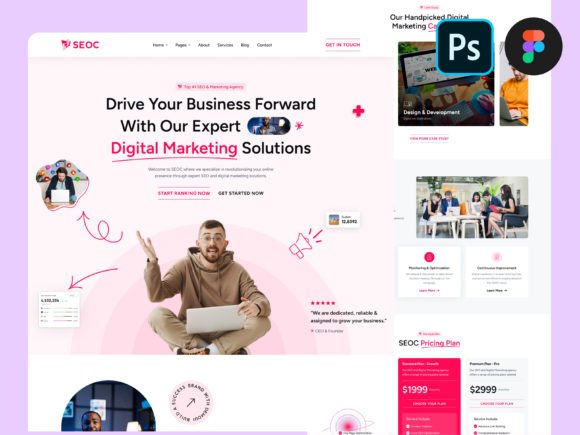
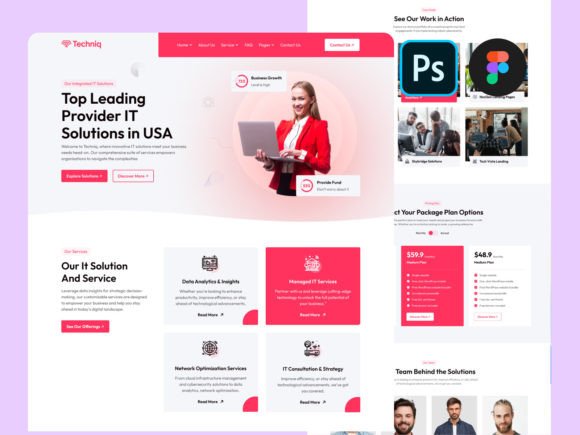
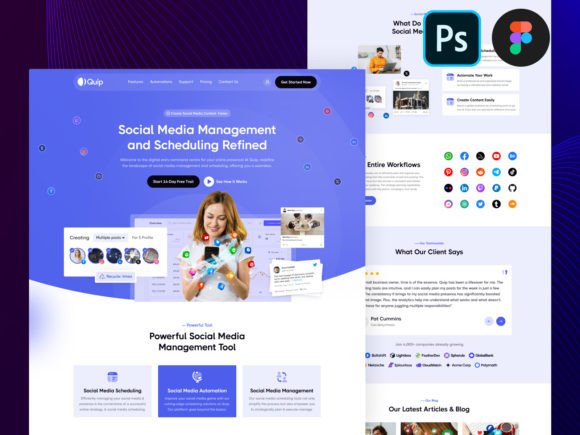
Modern workflows require flexibility. Professionals need tools that adapt to their unique branding and operational needs. A well-structured landing page template provides predefined web elements that help build a site quickly without sacrificing quality. These templates often come with a focus on clarity, using minimal modern design principles to ensure that the core value proposition stands out. For instance, a financial advisor using such a template can highlight security features and client success stories with vector illustrations that reinforce credibility.
The shift towards mobile-first consumption cannot be overstated. With a significant portion of email opens happening on smartphones, the accompanying websites must perform flawlessly on smaller screens. Templates built with best practices in mind ensure that layouts adjust gracefully whether viewed on a 1600px full-width monitor or a compact mobile display. This adaptability is essential for reaching a diverse audience that includes busy entrepreneurs, curious hobbyists, and seasoned executives alike.
Technical Foundations for Scalable Growth
Beneath the surface of a beautiful design lies a robust technical framework. The most effective templates for SaaS products are often based on proven grid systems like Bootstrap or Grid 1170px. These frameworks provide a structured approach to layout, ensuring consistency and ease of maintenance. For developers and designers, working within a system that is already organized saves valuable time and reduces the likelihood of errors.
When evaluating resources for building a SaaS presence, the organization of files is just as important as the visual output. High-quality design files feature well-organized layers, properly named groups, and easy-to-find artboards. This level of detail matters when customizing a template to fit a specific brand identity. For example, an advertising consultant might want to swap out standard icons for custom vector graphics that align with their agency's style. Having a file structure that supports this customization makes the process smooth and efficient.
Furthermore, the use of free fonts from Google Fonts ensures that the typography remains accessible and load-fast across different browsers and operating systems. This attention to performance details contributes to a better user experience, which is a key factor in search engine rankings and overall conversion rates. By combining these technical strengths with creative design, businesses can create a digital footprint that is both functional and inspiring.
Customization and Creative Freedom
One of the primary advantages of utilizing professional templates is the balance they strike between structure and creativity. While the underlying grid provides stability, the fully vector customizable nature of these files allows for extensive modification. Designers can alter colors, spacing, and imagery to match the specific tone of their brand. For a life coach, the design might lean towards warm, inviting tones with soft illustrations. In contrast, a law firm might prefer a stark, professional palette with clean lines and authoritative typography.
The inclusion of amazing vector illustrations and icons adds another layer of depth to the design. Visuals play a critical role in explaining complex concepts, especially when dealing with AI technology. Instead of relying solely on text to explain how machine learning optimizes email campaigns, a well-placed illustration can convey the idea instantly. These assets are often designed to be easily integrated into various sections of the site, from hero banners to feature lists.
Moreover, the availability of multiple file formats, such as Figma and PSD, caters to different workflows within a team. Figma is widely favored for its collaborative capabilities, allowing real-time feedback and iteration. Meanwhile, PSD files remain a staple for those who prefer traditional Photoshop workflows. Offering both ensures that agencies and freelancers can work within their preferred environments without losing fidelity in the final output.
Practical Implications for Business Owners
For business owners and entrepreneurs, the adoption of these tools represents a strategic advantage. Time spent on designing a website from scratch is time taken away from core business activities. By leveraging a high-quality template, professionals can launch their digital presence rapidly. This speed to market is crucial in a competitive environment where trends change quickly.
Consider an investment consultant looking to expand their client base. They need a website that establishes authority and a marketing system that nurtures leads. Using a template designed for SaaS products allows them to present their email marketing capabilities as a premium service. The modern UI signals that they are up-to-date with the latest technology, reassuring potential clients that their data and investments are in safe hands.
Additionally, the scalability of these designs means they can grow with the business. As a company evolves from a solo operation to a full-service firm, the website can be updated and expanded without needing a complete overhaul. The modular nature of components and styles within the template facilitates this growth, allowing for the addition of new features, testimonials, or service offerings as needed.
Looking Ahead: The Future of Digital Engagement
As we move forward, the integration of AI in marketing will only deepen. Tools will become smarter, capable of generating entire email sequences based on a single prompt or analyzing sentiment in real-time to adjust messaging. However, the human element remains irreplaceable. The design of the platforms delivering these services must continue to prioritize clarity, trust, and ease of use.
The trend towards minimalist, modern design reflects a broader cultural shift towards simplicity and authenticity. Users are increasingly wary of cluttered interfaces and deceptive practices. A clean, well-organized website that clearly communicates value builds the necessary trust for long-term relationships. This is especially true for sectors like healthcare, finance, and coaching, where the stakes are high and the margin for error is low.
Ultimately, the combination of powerful SaaS - AI-Based Email Marketing Software and a professionally crafted digital presence creates a formidable foundation for success. It empowers professionals to focus on what they do best—providing value to their clients—while technology handles the mechanics of communication and presentation. Whether you are a freelancer starting out or a consultant scaling a global practice, investing in the right tools and design resources is a step toward sustainable growth in the digital age.