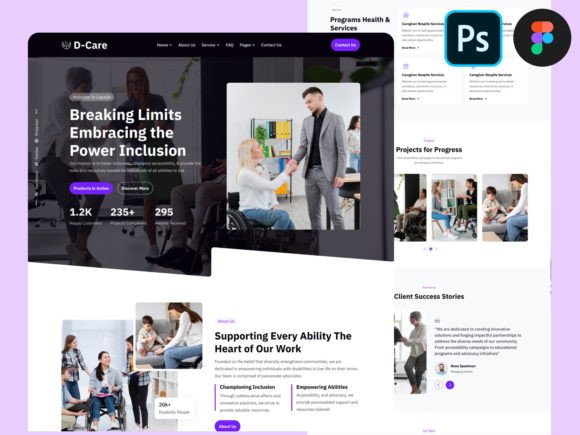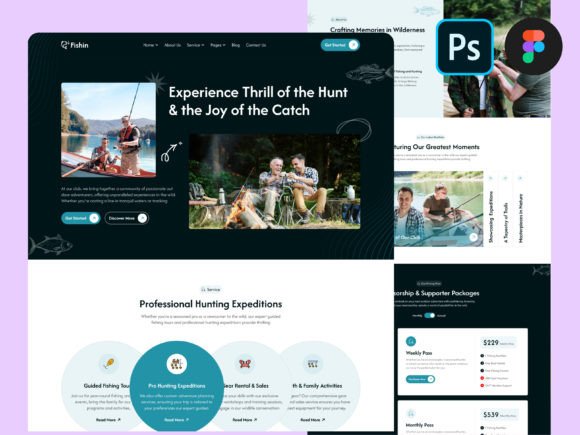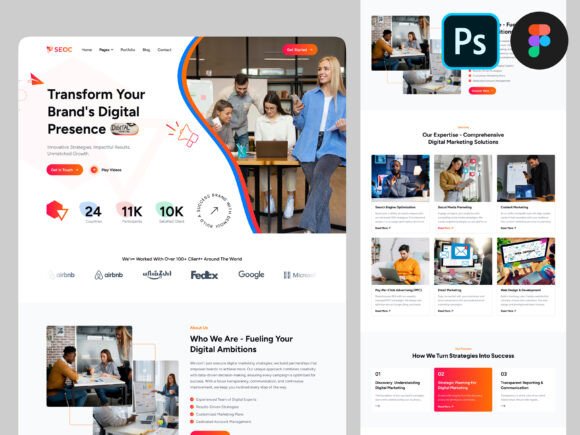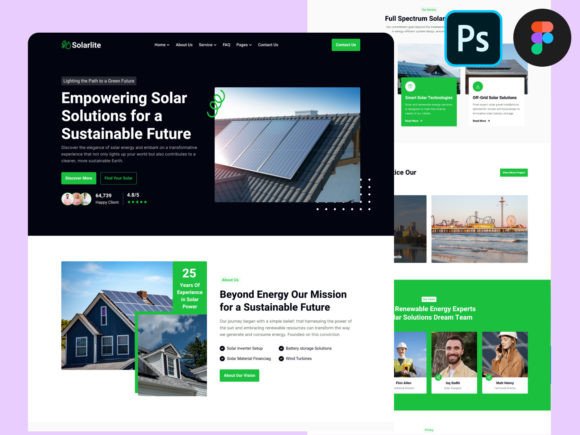
Solar Renewable Energy Design Figma: A Comprehensive Evaluation for Modern Web Projects
In the rapidly evolving landscape of digital design, professionals require tools that balance aesthetic appeal with functional efficiency. The Solar Renewable Energy Design Figma template represents a specific approach to landing page creation, offering a pre-structured environment for developers and designers. This resource is not merely a static image but a fully customizable file system designed to streamline the development process. For adults aged 20 to 50 who are evaluating resources for business websites, understanding the distinct capabilities of this template is essential before committing to a project.
The core value proposition of this design lies in its versatility. While the title suggests a focus on renewable energy, the underlying architecture supports a wide array of professional services. From business consulting and legal firms to advertising agencies, financial advisors, and insurance brokers, the layout adapts effectively. It also serves well for personal branding ventures such as life coaching, wellness coaching, and investment consulting. By analyzing the features, limitations, and comparative advantages of the Solar Renewable Energy Design Figma, stakeholders can determine if it aligns with their specific technical requirements and brand goals.
Defining the Core Architecture and Design Philosophy
At its foundation, the Solar Renewable Energy Design Figma is built upon a modern UI framework that prioritizes clarity and user engagement. Unlike generic templates that often rely on cluttered elements, this design embraces a minimal modern aesthetic. The interface is constructed using vector graphics, ensuring that every icon, illustration, and shape remains crisp at any resolution. This is a critical factor for businesses operating across multiple devices, where pixelation can undermine professional credibility.
The template is organized around a robust grid system, specifically utilizing Bootstrap principles or a Grid 1170px structure. This approach ensures that the website layout maintains consistency and alignment, which are fundamental to good web development practices. The full-width capability extends up to 1600px, providing ample space for content while maintaining responsiveness. When users access the site via tablets or mobile devices, the design automatically adjusts, preserving the hierarchy of information without breaking the visual flow.
A distinguishing feature of this Figma file is its organization. In many design projects, disorganized layers can lead to significant delays during the handoff phase between designers and developers. Here, every layer has been named and grouped properly. Components are based on Figma Styles, allowing for rapid iteration. If a client decides to change the primary color scheme or font family, the designer can update the global styles rather than editing individual elements manually. This structural integrity makes the Solar Renewable Energy Design Figma a practical choice for teams looking to reduce production time.
Comparing Customization Options and Flexibility
When comparing the Solar Renewable Energy Design Figma to other available resources, the level of customization stands out. Many free or low-cost templates offer limited editability, often locking key elements behind complex workarounds. In contrast, this template is described as "easy and 100% customizable." The inclusion of fully vector files means that shapes and illustrations can be reshaped, recolored, and resized without losing quality. This flexibility is particularly valuable for brands with strict identity guidelines.
However, it is important to weigh this against the learning curve associated with Figma itself. While the template is designed for ease of use, it assumes a baseline familiarity with the Figma interface. Professionals accustomed to Adobe Photoshop or Sketch may find the transition seamless, given the inclusion of a PSD file alongside the Figma version. Yet, for those entirely new to vector-based design tools, there may be an initial investment of time to understand the component system and layer grouping logic.
In terms of comparison with custom-coded solutions, the Solar Renewable Energy Design Figma offers a middle ground. Building a site from scratch provides total control but requires significantly more time and budget. Using a rigid website builder limits creativity but simplifies the process. This template bridges that gap by providing a high-fidelity starting point that adheres to best practices while allowing for deep customization. It is particularly effective for agencies or freelancers who need to deliver a polished product quickly without sacrificing the unique look of a bespoke design.
Assessing Suitability for Different Business Sectors
The adaptability of the Solar Renewable Energy Design Figma extends beyond its original thematic inspiration. The clean lines and professional typography make it suitable for sectors that rely on trust and authority. For instance, lawyers and financial advisors require a presentation that conveys stability and competence. The template's structured layout supports long-form content, such as case studies or service descriptions, which are common in these industries.
Conversely, creative industries like advertising consulting or wellness coaching might appreciate the "amazing vector illustrations" included in the package. These assets can be swapped out to reflect a more vibrant or playful brand personality. The use of free fonts from Google Fonts further enhances accessibility, ensuring that the text renders correctly across all platforms without licensing issues. This broad applicability suggests that the template is not limited to the renewable energy sector but serves as a versatile tool for various professional services.
Evaluating Technical Specifications and Deliverables
From a technical standpoint, the deliverables provided with the Solar Renewable Energy Design Figma are comprehensive. Users receive one Figma file and one PSD file, catering to different workflow preferences. The Figma file includes unique artboards, vector icons, and a system based on Figma components. This allows for efficient management of recurring elements like navigation bars, footers, and call-to-action buttons.
The reliance on the Bootstrap grid system is a strategic decision for web compatibility. Bootstrap is widely supported and understood by front-end developers, facilitating a smoother transition from design to code. The 1170px grid width is a standard in responsive web design, ensuring that content columns align neatly on desktop screens. However, designers should verify that their specific hosting environment or CMS (Content Management System) supports these dimensions without modification, although most modern frameworks do.
One potential limitation to consider is the scope of the template. While it excels at creating a landing page or a single-page portfolio, it may not include the extensive multi-page structures required for large-scale e-commerce sites or complex corporate portals. In such cases, the template serves as an excellent header and hero section starter, but additional pages would need to be designed or integrated separately. This trade-off is typical for focused landing page templates, which prioritize depth of detail over breadth of pages.
Decision Factors: When to Choose This Template
Determining whether the Solar Renewable Energy Design Figma is the right choice depends on several factors. It is an ideal solution for consultants, coaches, and small business owners who need a professional online presence quickly. The predefined web elements reduce the cognitive load of starting from a blank canvas, allowing users to focus on content strategy rather than layout mechanics.
Furthermore, for design agencies managing multiple clients, the ability to customize the template rapidly is a significant advantage. The well-organized layers and named groups mean that revisions can be handled efficiently, reducing billable hours spent on administrative tasks. The inclusion of both Figma and PSD formats adds another layer of utility, accommodating different team skill sets.
However, organizations with highly specialized interactive requirements or those needing a completely unique brand experience from the ground up might find the template too constraining. If a business relies heavily on complex animations, dynamic data visualization, or non-standard navigation patterns, a custom build might be more appropriate despite the higher cost and time investment.
Strategic Implementation and Best Practices
To maximize the value of the Solar Renewable Energy Design Figma, users should leverage the component system effectively. By treating headers, buttons, and cards as reusable components, consistency is maintained throughout the site. Additionally, taking advantage of the vector nature of the illustrations allows for tailoring graphics to match specific campaign messages without degrading image quality.
It is also advisable to test the design across various screen sizes early in the process. Although the template is built with responsiveness in mind, the actual content length and media assets used will influence how the layout behaves on mobile devices. Ensuring that the text remains readable and touch targets are appropriately sized is crucial for a positive user experience.
In conclusion, the Solar Renewable Energy Design Figma offers a balanced mix of aesthetic quality and technical functionality. It provides a solid foundation for professionals in diverse fields, from legal services to wellness coaching. While it may not replace the need for custom development in every scenario, it serves as a powerful tool for accelerating the design process and delivering high-quality results. By understanding its strengths and limitations, users can make informed decisions about integrating this resource into their broader digital strategy.